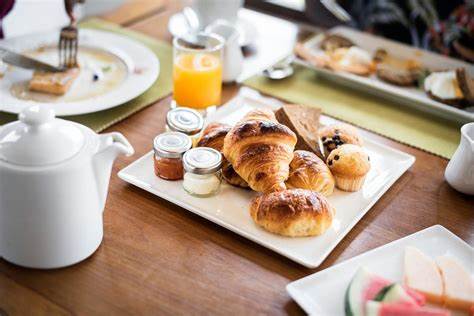
Breakfast is universally acknowledged as the most important meal of the day, but when enjoyed in a fine hotel or a beloved cafe, it transforms into a crucial ritual—a moment of quiet indulgence before the day begins. Every beloved breakfast item, whether it’s a perfectly folded French omelet, a stack of golden buttermilk pancakes, or a regional specialty, carries a rich, often hidden, history. It’s a journey from its cultural roots to the meticulous preparation that ensures its consistency and deliciousness every single time it hits your plate.
This extensive culinary deep-dive explores the fascinating story, the rigorous sourcing, and the sophisticated kitchen choreography behind one of the world’s most enduring and universally adored breakfast favorites (for this piece, we will focus on the Evolution and Mastery of the Classic Buttermilk Pancake). We will dissect the dish’s historical significance, detail the sourcing of key ingredients, and unveil the precise steps chefs take to elevate this simple staple into a memorable morning delight. Prepare to discover the profound effort and passion that turns a common ingredient into an exceptional experience.
1. The Historical Roots: A Global Culinary Foundation
A. From Ancient Grains to Modern Fluff
The concept of a flat cake cooked on a hot surface is ancient, existing in nearly every human civilization. This history provides the foundation for our modern pancake.
-
Neolithic Flatbreads: Early versions dating back thousands of years consisted primarily of ground grains (like einkorn or millet) mixed with water and cooked on heated stones.
-
Ancient Greek and Roman Cuisine: The Greeks had tagenias (derived from taganon, meaning frying pan), made with wheat flour, olive oil, honey, and curdled milk.
-
The Renaissance Shift: The introduction of baking soda and baking powder in the 18th and 19th centuries allowed the flat cakes to achieve true “loft,” transforming them into the fluffy, leavened breakfast treat we know today.
B. The American ‘Buttermilk’ Innovation
The classic American pancake, the focus of our mastery, owes its unique tenderness to buttermilk.
-
The Acidic Reaction: Buttermilk (the sour liquid left after churning butter) contains lactic acid. When this acid reacts with the alkaline agent (baking soda), it produces a rapid and vigorous carbon dioxide release, resulting in maximum height and an exceptionally tender crumb.
-
Sourcing the Tang: High-quality chefs prefer naturally cultured buttermilk for its deeper, more complex tangy flavor that cuts through the sweetness of the syrup.
2. Ingredient Sourcing: The Quality Commitment
A. The Foundation: Flour and Leavening Agents
The choice of flour dictates the texture, and the leavening agents determine the rise.
-
Low-Protein Flour: Chefs select a low-protein, soft winter wheat flour (often bleached cake flour, or a specialized blend) because its lower gluten content minimizes toughness, ensuring a delicate, airy final product.
-
Double Action Leavening: The best recipes use a combination of baking soda (activated by the buttermilk’s acid) and baking powder (which provides a second, heat-activated lift when hitting the griddle) to achieve maximum, uniform fluffiness.
B. Dairy and Fat: The Agents of Richness
These components are crucial for flavor depth and moisture retention.
-
High-Quality Butter: Only unsalted, high-fat content butter is used. It must be melted and then slightly cooled before being added to the batter to prevent it from scrambling the eggs.
-
Fresh Eggs: Large, free-range eggs contribute essential protein, richness, and binding structure. They are often separated and whisked separately to maximize air incorporation.
C. The Signature Topping: Pure Maple Syrup
The choice of syrup is often the ultimate mark of quality.
-
Grade A, Dark Color, Robust Taste: The syrup is sourced directly from specific North American regions (like Vermont or Quebec) and graded for its intense flavor profile that complements the rich batter without being overly sweet.
-
Temperature Control: The syrup is always served slightly warmed, never cold, which prevents it from cooling down the pancakes and enhances its viscosity.
3. The Kitchen Choreography: The Art of Consistency
A. The ‘Just Combined’ Principle
The secret to the fluffiest pancake lies in the precise moment the dry and wet ingredients meet.
-
Separate Mixing: Wet ingredients (buttermilk, eggs, melted butter) and dry ingredients (flour, sugar, leavening agents) are mixed in separate bowls.
-
Minimal Blending: The two mixtures are combined with the absolute minimum amount of stirring—just enough until the dry streaks disappear. The batter should still be slightly lumpy. Overmixing activates the gluten, resulting in a tough, flat pancake.
B. The Batter Resting Phase
A crucial, often-skipped step in home cooking that is standard in professional kitchens.
-
The 30-Minute Rest: After mixing, the batter is allowed to rest at room temperature for 20-30 minutes. This gives the flour time to fully hydrate without being overworked, allowing the gluten to relax, and permitting the baking powder to start its slow activation, leading to a lighter, more uniform final product.
C. Griddle Mastery and Temperature Precision
Professional chefs use specific griddle materials and precise temperature control for even cooking and perfect color.
-
Cast Iron or Heavy Steel: These materials provide superior heat retention, ensuring the griddle temperature remains constant even when multiple cold scoops of batter are applied.
-
The Ideal Temperature: The griddle is typically maintained at a precise temperature between and ( and ). Too cool, and the pancake is dense; too hot, and the exterior burns before the interior cooks.
-
The Flip Signal: The pancake is only flipped once, precisely when bubbles have formed across the entire surface and the edges appear set—a visual indicator that the bottom is perfectly golden brown.
4. Presentation and Plating: The Visual Appeal
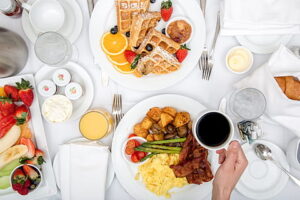
A. Stacking for Perfection
The presentation of the pancake stack is designed to maximize visual appeal and maintain heat.
-
The Three-Stack Standard: Pancakes are typically stacked in three to four layers. This height provides a beautiful visual, while maintaining the heat of the individual layers and creating crevices for butter and syrup.
-
Uniform Diameter: Batter is usually dispensed using a controlled ladle or ring to ensure every pancake in the stack has the exact same diameter for a clean, architectural presentation.
B. The Butter Melt Point
The butter placed on top is functional and aesthetic.
-
Unsalted Butter Disc: A perfectly centered, cold disc of high-quality butter is placed on the hot stack just before serving, allowing the guest to witness the slow, luxurious melting process, which immediately indicates freshness and heat.
C. Garnishes and Enhancements
Garnishes are used thoughtfully to add color, texture, and a touch of refinement.
-
The Powdered Sugar Dust: A light, uniform dusting of powdered sugar (confectioners’ sugar) is applied through a fine sieve, adding a snowy finish without being overwhelmingly sweet.
-
Seasonal Fruit: Fresh berries or sliced bananas are placed to one side of the plate, providing a necessary tart contrast to the richness of the pancake.
5. Innovation and Modern Interpretations
A. Gluten-Free and Alternative Flours
Modern dietary awareness has pushed chefs to innovate using non-traditional flours without sacrificing texture.
-
Rice and Potato Starch Blends: Specialized blends using these starches are used to mimic the low-gluten structure of soft wheat flour, achieving a surprisingly light and fluffy result for gluten-sensitive guests.
-
Oat or Whole Wheat Additions: Some chefs incorporate finely milled oat or whole wheat flours for a nutty, earthier flavor and increased fiber content, catering to health-conscious diners.
B. Unique Flavor Infusions
Beyond the traditional vanilla, modern pancake programs feature bold flavor twists.
-
Ricotta and Lemon Zest: Adding ricotta cheese and fresh lemon zest to the batter creates a slightly denser, yet impossibly moist pancake with a bright, tart flavor profile.
-
Sourdough Pancakes: Utilizing a sourdough starter provides a subtle, complex tanginess and an incredibly light structure, offering a gourmet twist on the classic.
-
Spiced Butters: Offering flavored butters (e.g., cinnamon-honey butter, salted caramel butter) in addition to plain butter allows for a personalized flavor upgrade.
6. The Supply Chain and Sustainability
A. Sourcing Local and Ethical Eggs
The commitment to quality extends to ethical sourcing, particularly for eggs.
-
Local Farms: Kitchens often partner directly with local, free-range farms within a small radius to ensure the freshest, highest-quality eggs, which directly impacts the flavor and emulsification properties of the batter.
-
Transparency: Chefs aim to be transparent about the origin of their eggs, reinforcing the commitment to local agriculture and ethical practices.
B. Waste Management in the Kitchen
Professional kitchens operate with zero-waste principles to maximize efficiency and minimize environmental impact.
-
Batch Control: Batter is made in controlled batches throughout the morning, ensuring that little is leftover at the end of service, thus minimizing food waste.
-
Fat Recycling: Used cooking oil from the griddle is collected and responsibly recycled, rather than being discarded down the drain.
C. The Water Quality Impact
Even the water used to mix the batter is important.
-
Filtered Water Use: High-quality, filtered water is used in all baking and cooking processes, as the mineral content of tap water can sometimes interfere with the delicate chemical reactions of the leavening agents.
7. Staff Training and Service Excellence
A. The Pancake Station Specialist
In a busy hotel kitchen, the pancake station is often staffed by a dedicated cook who specializes in this one item.
-
Consistency Training: This specialist is trained to maintain the exact same griddle temperature, pour the same amount of batter, and flip at the precise, correct moment, ensuring every single pancake is identical in height and color.
-
Speed and Volume: During peak breakfast rush (often a one-hour window), this station specialist must execute flawless pancakes at high volume, requiring intense focus and speed.
B. Plate Warmth and Speed of Service
The service staff plays the final critical role in ensuring the pancake reaches the guest in peak condition.
-
Hot Plates: Pancakes are always placed on warm or hot plates to maintain their temperature.
-
Immediate Delivery: Service staff must deliver the plate from the kitchen pass to the guest’s table within 60 seconds of it being plated to prevent cooling and ensure the butter melts properly upon arrival.
Conclusion: The Simple Dish, Elevated

The buttermilk pancake, seemingly simple, is a powerful illustration of culinary artistry and logistical mastery. Its journey from a basic recipe to your favorite morning indulgence involves a deep understanding of historical methods, a rigorous commitment to ingredient quality, and the highly technical, split-second execution of the kitchen brigade.
The fluffiness, the slight tang of buttermilk, the melt of pure butter, and the rich complexity of real maple syrup are not accidents—they are the intended result of professional precision. By appreciating the meticulous choreography behind this iconic breakfast item, we gain a new perspective on the meaning of true hospitality: turning the mundane into the magnificent, plate after plate, every single morning. Savor the effort—it’s the secret to this delightful morning dish.