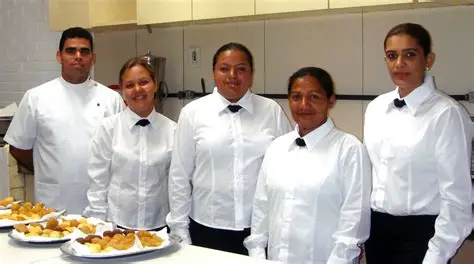
A premier hotel is a versatile chameleon, capable of transforming its identity to suit the demands of the moment. One day, it is a haven of quiet corporate efficiency; the next, it is a buzzing hub hosting a major, high-profile event—be it a multi-day international conference, a spectacular gala dinner, or a high-energy product launch. This seemingly effortless shift from the tranquility of a quiet lobby to the organized bustle of a festive night is the result of an intricate, highly disciplined, and often invisible logistical operation. This transformation requires not just physical reconfiguration but a complete, temporary operational reset across every single department, demanding resources and coordination far beyond the norm.
This extensive deep-dive will explore the sophisticated preparation protocols, the critical synchronization between departments, and the strategic decisions made to ensure that large events are executed with flawless precision. We will detail the advanced planning that begins months ahead, the rapid physical mobilization just hours before the doors open, and the commitment to maintaining the core guest experience even as hundreds of non-resident visitors flood the property. The complexity involved in this changeover is immense, touching on every facet of hospitality, from engineering and IT infrastructure to culinary planning and security management. Prepare to discover the complex choreography required to turn a major event into a resounding success while upholding the highest standards of hospitality.
1. Advanced Planning: The Multi-Month Runway
Successful preparation starts months in advance with a meticulous analysis of the event’s requirements, which dictate the necessary resource allocation. This phase involves rigorous communication between the hotel’s sales team, the event client, and all internal operational departments.
Defining the Event Blueprint and Scope
The first step is translating the client’s vision into a detailed operational manual.
-
Space Allocation and Traffic Flow: The team maps out how the event will use the physical space—which ballrooms, breakout rooms, and public areas are required. Crucially, they design routes to isolate event attendees and general hotel guests to prevent conflicts in high-traffic areas like elevators and main entrances. This includes designating specific service elevators for event use only.
-
Technical Requirements Audit: A comprehensive checklist of all necessary technology is created. This goes beyond standard Wi-Fi to include specific bandwidth needs for streaming, customized microphone and lighting configurations for speakers, power drops for vendor equipment (such as trade show booths), and high-speed, localized Wi-Fi access points dedicated solely to the event area.
-
Vendor Coordination: Formal onboarding and scheduling are established for external partners. This includes security vetting and clear loading dock schedules for specialized external teams, such as floral designers, specialized A/V technicians, complex stage construction crews, and any external catering support, ensuring all external personnel adhere to the hotel’s safety protocols.
-
F&B Customization: The Executive Chef works directly with the client to finalize menu details, accommodate dietary restrictions for hundreds of guests, and define service styles (e.g., plated dinner vs. elaborate buffet). This is critical for pre-ordering and supply chain logistics.
The Manpower and Resource Mobilization
The event’s scale necessitates a substantial adjustment to staffing levels and internal resource management. This often involves temporarily reassigning personnel from quieter departments.
-
Staff Augmentation: Detailed staffing schedules are created, often requiring the temporary hiring of additional banquet servers, cleaning staff, security personnel, and specialized A/V technicians to manage the increased volume. These temporary staff members undergo rapid, focused training on service standards and emergency procedures.
-
Cross-Training and Deployment: Non-traditional staff members (e.g., administrative personnel, sales team) are cross-trained and assigned specific, non-critical support roles, such as directional guides, registration facilitators, or coat check assistance, to free up experienced hospitality staff for core service roles.
-
Equipment Staging: A physical inventory of all banquet chairs, tables, linens, and specialized serving equipment is conducted. External rentals, such as themed furniture or large video screens, are booked months ahead to ensure availability and secure the best rates. All equipment is tagged and assigned to the specific event to prevent misplacement.
Guest Impact Mitigation Strategy
A paramount concern is ensuring the event does not negatively impact the experience of the core hotel guests who are not attending the function, maintaining the hotel’s reputation for tranquility.
-
Noise and Access Advisory: Detailed notices are placed in all guest rooms and public areas well in advance, advising guests of potential noise levels (especially during setup/breakdown), temporary elevator closures, and restricted access to certain lounges or walkways. Offerings, like complimentary earplugs or a drink voucher, may be included for rooms adjacent to the event space.
-
Designated “Quiet Zones”: Specific, remote areas of the hotel (e.g., a quiet library, a secondary lounge, or a separate wing of the fitness center) are designated as “Quiet Zones” and monitored by staff, exclusively for hotel guests seeking tranquility away from the event noise and traffic.
-
Parking and Entrance Separation: Separate parking areas or dedicated valet queues are established for event attendees versus overnight guests to prevent logjams at the main hotel entrance and ensure hotel guests retain priority access. Clear, distinct signage directs event guests to their specific entrance points.
2. Physical Transformation: The Rapid Setup (T-Minus 48 Hours)
This phase is characterized by intense, focused labor as the hotel floor plans are rapidly converted. The engineering and facilities teams are the unsung heroes of this stage.
Ballroom and Venue Turnover
The primary event space must be converted from its default setting into the custom layout specified in the event blueprint—often a complex process completed in a single, high-pressure night.
-
Rigging and Lighting Installation: Specialized A/V technicians climb into the ceiling rafters to install complex lighting rigs, sound systems, and projection equipment. This requires meticulous load balancing and power management to prevent electrical overloads.
-
Floor Plan Execution: Banquet captains meticulously place every chair, table, and platform according to the exact floor plan provided by the event planner. Often, sophisticated staging software or laser guides are used to ensure precision spacing, adhering to fire code regulations for aisles and exits.
-
Linens and Centerpieces: Tables are dressed with multiple layers of linens and runners, often requiring specific ironing and steaming to remove creases. This is followed by the precise placement of centerpieces, glassware, and individual place settings, fundamentally transforming the room’s aesthetic from functional to festive.
-
Stage and Backdrop Construction: Modular staging elements are assembled. Custom backdrops, branded signage, or large LED screens are installed and tested for visual clarity and alignment with camera feeds.
Kitchen and Culinary Mobilization
The kitchen must radically scale its operations to handle a potential 500-1000 person dinner, often simultaneously with the hotel’s regular restaurant and room service operations.
-
Dedicated Banquet Stations: Temporary cooking stations and hot holding areas (known as “satellite kitchens”) are erected in the banquet kitchen and peripheral service corridors to manage the large-volume production of specific courses. This might involve a dedicated station for searing meat, one for preparing cold appetizers, and one for final dessert plating.
-
Ingredient Batching and Preparation: Ingredients for the mass production of the gala menu are pre-portioned, weighed, and stored in mobile cooling units. This “mass batching” ensures uniform size, cooking time, and plating consistency across all hundreds of dishes.
-
Service Ware Staging: Thousands of pieces of custom cutlery, glassware, and china are polished, stacked, and positioned on warming carts and service stations near the banquet halls for rapid deployment. Quality control teams ensure every piece is spotless, as the china’s condition is a direct reflection of the hotel’s standard.
Back-of-House Clearance
Service corridors and staging areas are cleared and organized with military precision to facilitate the immense flow of staff and resources necessary during service.
-
Traffic Mapping and Routes: Designated “one-way” routes are established for service personnel to move rapidly between the kitchen, laundry, and the event space, minimizing the chance of collisions with heavy carts of food or dirty dishes.
-
Staff Briefing Zones: Designated areas are set up near the event space for last-minute staff briefings and staging before service begins, away from guest sightlines.
-
Emergency Exits and Safety Checks: All temporary storage areas, partitions, and equipment stacks are checked by the Fire Safety Officer to ensure they do not obstruct any emergency exits, fire hoses, or mandatory evacuation routes.
3. Execution Day: The Zenith of Coordination

This is the peak operational period, where all planning must be flawlessly executed under real-time conditions.
Guest Arrival and Security Protocol
Managing the influx of hundreds of non-resident attendees requires a visible, professional, and efficient security and welcoming presence.
-
Designated Entry and Registration: The event’s main entrance is clearly marked and staffed by both hotel personnel (for directional guidance) and event staff (for registration), funneling attendees away from the main hotel check-in area to protect overnight guests’ privacy.
-
The Badge/Wristband Check: Security staff are strategically deployed to ensure only registered attendees access the reserved event areas, particularly if the event involves specialized security requirements or high-profile attendees.
-
Elevated Security Presence: Undercover and visible security staff increase patrols around high-traffic areas and coat checks, mitigating theft risks, managing crowd flow, and discreetly handling any disturbances.
Banquet Service Execution: The Plating Line and Service Flow
The banquet service is a tightly synchronized logistical feat, often requiring the simultaneous delivery of meals to hundreds of guests.
-
The Plating Assembly Line: Chefs and servers form a long, highly efficient assembly line. Each person is responsible for adding only one component to the plate (e.g., one person plates the protein, the next adds the starch, the next applies the garnish) to ensure speed and consistency.
-
The Hot Box Relay and Timing: Once completed, plates are immediately placed into specialized Hot Boxes(warming carts) and wheeled directly to the designated service elevator and the assigned servers for immediate, synchronized distribution to the tables. The entire plating-to-table process must be executed within a narrow, pre-defined time window (e.g., 5 minutes) to ensure uniform temperature.
-
The Server-to-Table Ratio: A precise server-to-guest ratio is maintained (often 1:10 or better for fine dining) to ensure synchronous table service, where every guest at a table is served their meal almost instantly, a hallmark of high-end events.
Operational Continuity: The General Guest Experience
Even with the event consuming maximum resources, the core hotel functions must appear unaffected to non-event guests.
-
Dedicated Front Desk Team: A small, highly experienced team remains dedicated solely to overnight guests, ensuring their check-ins, check-outs, and service requests are prioritized and handled without event-related delays or perceived reduced service.
-
Room Service Shielding: Room service orders for hotel guests are given priority over event staff requests. Delivery routes are carefully managed through service corridors to avoid passing through event-heavy areas, maintaining the illusion of calm.
-
Amenities Protection: High-demand guest amenities (like the main gym or executive lounge) are monitored to ensure event attendees do not encroach on facilities reserved for overnight guests.
4. Post-Event Demobilization: The Night Shift Blitz
Once the applause fades, the intensity shifts to rapid and thorough breakdown and cleanup, often occurring during the quiet hours of the night.
The Rapid Breakdown (The 2-Hour Window)
Once the event concludes, the clean-up and breakdown process must be initiated immediately, often completing before the first staff arrive for the morning shift.
-
Dish and Waste Removal: Banquet servers and cleaning crews flood the room, efficiently clearing all china, glassware, and waste, depositing them into heavy-duty mobile bins and sending them for immediate, industrial-scale cleaning.
-
Venue Takedown: External vendors rapidly dismantle the stage, lighting rigs, and A/V equipment. Hotel staff simultaneously collapse tables, stack chairs, and remove temporary dividers, restoring the venue to an empty shell ready for the deep clean.
-
Deep Cleaning and Odor Control: The maintenance team immediately vacuums and steam-cleans all carpets, addressing stains immediately with specialized solvents and utilizing industrial air purifiers to remove lingering odors from food and large crowds.
Inventory Reconciliation
The financial and inventory closure of the event is conducted rigorously before the night audit concludes.
-
Beverage Accountability: All unused alcohol bottles are returned to locked storage. Consumed bottles are carefully counted and reconciled against the event’s billing to ensure financial accuracy and prevent loss.
-
Equipment Damage Audit: Banquet managers conduct a quick inventory of all hotel equipment (chairs, serving trays, specialized linens) to account for any damage or missing items, preparing documentation for a potential damage charge to the client.
-
Consumables Tracking: Final counts are taken of specialty items provided (e.g., printed menus, custom favors) to reconcile against the final bill.
The Morning Reset
The final hours of the night shift focus on preparing the spaces for their return to standard hotel use, ensuring the next morning begins without a trace of the previous night’s chaos.
-
Ballroom Reset: Ballrooms are often set back up in a neutral, default configuration (e.g., standard banquet rounds or theater style) for quick potential booking or immediate use the next day.
-
Public Area Sanitization: All high-touch public areas—elevators, railings, public restrooms—that saw heavy event traffic are rigorously sanitized, polished, and restocked.
-
Plant and Decor Renewal: Any temporary event decor is removed, and standard hotel plants, art, and seating are returned to their original positions.
5. Post-Event Analysis and Client Relations
The cycle is not complete until the client is satisfied and internal lessons are learned for future events.
The Client Feedback Loop
Maintaining the client relationship and securing future business is the final external goal.
-
Post-Event Review Meeting: The Sales and Events team meets with the client within 48 hours to collect detailed feedback, focusing on any service misses, logistical challenges, or areas that exceeded expectations.
-
Financial Finalization: The final bill is meticulously prepared, detailing all consumption metrics (e.g., catering overages, last-minute A/V rental time), and sent to the client with a personalized thank you note.
Internal Debrief and Process Refinement
The hotel learns its most valuable lessons from the execution phase, ensuring continuous improvement.
-
Bottleneck Identification: Management holds a cross-departmental debrief to pinpoint precisely where the operations slowed down or failed (e.g., “The luggage delivery team was overwhelmed,” “The vegetarian station ran out of stock,” or “The A/V transition took too long”).
-
Standard Operating Procedure (SOP) Update: Based on the debrief, the standard operating procedures for large events are updated, incorporating new staffing ratios, timing metrics, and inventory levels to improve future performance and minimize similar friction points. The entire process documentation is updated to reflect the successful adjustments.
Conclusion: The Epitome of Preparedness

The transformation of a hotel from a quiet sanctuary to a high-capacity event venue is a logistical triumph built on months of preparation and executed with surgical precision. It requires a synchronized team effort—from the Chief Engineer managing the power load to the pastry chef perfectly timing 700 desserts, all working towards the shared goal of making the extraordinary look ordinary.
The success of these large events is ultimately measured by the glowing reviews of the client and, just as importantly, the continued tranquility and comfort experienced by the regular hotel guest. The seamless shift is the final proof of the hotel’s mastery of the service industry, demonstrating that the ability to handle immense complexity without visible chaos is the true mark of world-class hospitality. It is the silent, rigorous preparation that makes the celebration loud and successful for everyone.