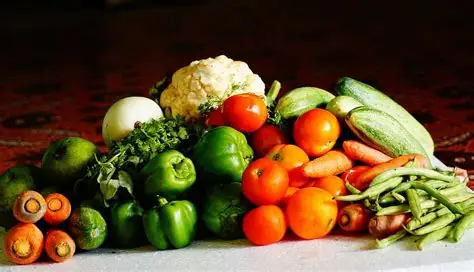
In the highly competitive world of luxury hospitality, the difference between a good meal and an exceptional culinary experience often lies not in the technique of the chef, but in the integrity of the ingredients. Guests at premier hotels and resorts today demand more than just skillful cooking; they require transparency, sustainability, and unparalleled freshness. The journey of a single, perfect ingredient—from the fertile ground of a local farm to the pristine white china on the guest’s table—is a complex, meticulously managed logistical operation that remains largely unseen.
This extensive deep dive will explore the sophisticated sourcing strategies, the intensive quality assurance protocols, and the critical supply chain management that define a world-class hotel’s commitment to freshness. We will uncover the secrets behind establishing robust farm-to-table partnerships, the non-negotiable standards for incoming produce and proteins, and the high-tech methods used to ensure ingredients maintain peak flavor and nutritional value throughout their journey. This is the definitive look at the dedication required to guarantee that every bite a guest takes is a testament to quality, flavor, and responsible sourcing.
1. Establishing the Sourcing Philosophy: The Guiding Principles
The commitment to fresh ingredients is not a marketing strategy; it is a foundational business philosophy that dictates procurement decisions, kitchen design, and vendor relations.
A. Prioritizing Local and Seasonal
The non-negotiable starting point for high-end hotel sourcing is a dedication to locality and seasonality. This is the key to achieving superior flavor and supporting the local economy.
-
Peak Flavor Yield: Produce grown and harvested at its seasonal peak, and consumed shortly after, retains maximum natural sugars, essential oils, and nutritional compounds, eliminating the need for excessive manipulation in the kitchen.
-
Minimized Carbon Footprint: Sourcing locally drastically reduces the environmental impact associated with long-distance transportation, aligning with the modern hotel’s commitment to sustainability.
-
Economic Partnership: Direct engagement with small to medium-sized local farms helps create a resilient local food economy and provides the hotel with unique access to rare or heirloom varieties that large distributors often overlook.
B. The Quality Control Mandate
A clear, non-negotiable set of quality standards is established for every category of ingredient, often exceeding standard industry grades.
-
The Zero-Tolerance Policy: Incoming ingredients that fail even minor visual or thermal inspections are rejected instantly. This policy, while sometimes straining vendor relationships, upholds the integrity of the kitchen’s final product.
-
Standardized Grading: Specific visual, textural, and sensory criteria are developed for high-value items. For example, tomatoes must meet a defined Brix sugar level, and fish must pass the “clear eye and firm flesh” test immediately upon delivery.
C. Building Exclusive Producer Partnerships
The best hotels avoid transactional relationships, opting instead for deep, communicative partnerships with specialized producers.
-
Contractual Commitment: The hotel commits to purchasing a guaranteed volume of a farmer’s yield over a season, providing the farmer with financial stability and allowing the chef to secure exclusive access to premium, high-demand produce.
-
Shared Innovation: Chefs often collaborate directly with farmers, requesting they plant specific, unique heritage varieties of vegetables or specialized microgreens that fit the upcoming menu’s narrative, creating a truly unique culinary offering.
2. The Logistics of Procurement: Orchestrating the Supply Chain
Managing a diverse network of small, independent suppliers requires a highly organized and flexible logistical approach, far more complex than dealing with a single, massive distributor.
A. The Multi-Channel Ordering System
A premier hotel kitchen does not place a single order; it coordinates dozens of orders daily across specialized channels.
-
The Produce Schedule: Ordering fresh produce is often done via direct text, phone call, or personal email with the farmer the day before delivery, allowing for real-time inventory adjustments based on the day’s harvest and weather conditions.
-
The Protein Schedule: High-cost proteins (prime beef, specialty seafood) are ordered 48-72 hours in advance to allow for custom aging, trimming, and processing by the butcher or fishmonger.
-
The Daily Receipt and Verification: Every single item delivered, from a pallet of potatoes to a box of microgreens, must be cross-referenced against the purchase order and the vendor’s invoice by a receiving clerk before being accepted into inventory.
B. Temperature Control and The Cold Chain Integrity
Maintaining the cold chain is non-negotiable, as temperature fluctuations drastically reduce shelf life and compromise food safety.
-
Instant Thermal Audits: Every incoming refrigerated delivery is immediately subjected to a temperature gun audit. The internal temperature of the food item itself (not just the truck’s air temperature) must fall within a narrow range, typically below (), to be accepted.
-
Dedicated Receiving Dock: High-end hotels utilize specialized receiving docks with climate-controlled zones and rapid access to walk-in refrigerators, minimizing the time perishable goods spend at ambient temperature.
C. Managing Non-Standard Deliveries
Working with small farms means dealing with irregular deliveries and non-standard packaging, requiring highly organized receiving staff.
-
The Basket System: Produce from local farms often arrives in reusable, non-uniform containers (baskets, crates) rather than standard commercial boxes. Receiving staff must immediately transfer, label, and log these items into the hotel’s standardized, sanitized storage containers.
-
Zero-Waste Returns: The hotel often operates a reverse logistics loop, returning reusable containers, crates, or empty egg flats back to the farmer the following day, supporting the farm’s sustainability efforts.
3. The Kitchen’s Role: Receiving, Storage, and Preservation
The best ingredients can be ruined by poor internal handling. The kitchen staff are the final, crucial link in maintaining freshness.
A. The Receiving Clerk: The Gatekeeper
The receiving clerk is one of the most vital, yet unseen, positions in the kitchen hierarchy, acting as the primary quality auditor.
-
Visual and Sensory Inspection: The clerk conducts a full visual inspection for damage, bruising, or pests. They perform the “sniff test” on all dairy and protein and check the firmness and color of vegetables before signing for the delivery.
-
Immediate Rotation: Goods are immediately labeled with the date and time of receipt. The clerk ensures the principle of FIFO (First In, First Out) is immediately applied, storing new goods behind existing stock to ensure older items are used first, minimizing waste.
B. Specialized Storage and Climate Control
Not all walk-in refrigerators are the same. Different ingredients require specific microclimates for optimal storage.
-
The Vegetable Walk-In: This unit is typically set to a high humidity and a slightly warmer temperature (around or ) to prevent leafy greens from wilting.
-
The Protein Walk-In: This unit is the coldest (just above freezing, or ) and is used exclusively for raw proteins and seafood to inhibit bacterial growth.
-
The Fruit and Dairy Zone: Often housed in a separate unit or section, this area is slightly warmer to prevent chilling injuries to delicate fruits (like bananas and tomatoes) and to store prepared dairy.
C. In-House Preservation Techniques
To maximize the use of a seasonal glut and reduce waste, chefs employ traditional, high-level preservation methods.
-
Curing and Smoking: Techniques like house-curing salmon (gravlax) or smoking meats extend the life of premium proteins while adding unique, signature flavors.
-
Pickling and Fermentation: Seasonal vegetables are preserved through pickling or advanced fermentation (kimchi, sauerkraut) to be used on the menu months later, allowing the taste of summer to persist through winter.
4. Quality Assurance Protocols for High-Risk Items
Certain ingredients present inherent risks due to their high cost, fragility, or potential for foodborne illness, demanding the highest level of vigilance.
A. Seafood and Shellfish Rigor
Seafood is often the highest cost and highest risk item in the kitchen, requiring extreme diligence.
-
Live Shellfish Purge: Incoming live shellfish (oysters, clams, mussels) are immediately transferred to a dedicated, sanitized tank with circulating, purified saltwater (a purging tank) to clean them of grit and ensure their vitality before shucking.
-
Daily Market List: Fish is often purchased based on a daily market list rather than a fixed menu, allowing the chef to buy only what is freshest and available that morning, rather than relying on a predetermined, potentially stale order.
B. Egg Safety and Handling
Given the volume of eggs consumed at breakfast, safety protocols are paramount.
-
Segregated Storage: Eggs are stored in their original packaging, away from raw meats, and should ideally be stored in a walk-in, not the kitchen line, to maintain a consistent cold temperature.
-
Batch Tracking: In the event of a quality issue, the kitchen maintains a system to track every batch of eggs back to the specific delivery date and supplier.
C. House-Made Components
The decision to make items in-house (e.g., pasta, charcuterie, bread) adds freshness but increases the kitchen’s liability.
-
HACCP Documentation: For high-risk, house-made items (like cured meats or fermented foods), the kitchen must maintain extensive HACCP (Hazard Analysis Critical Control Point) documentation, detailing temperatures, pH levels, and processing times to ensure absolute safety.
5. The Chef’s Creative Bridge: Ingredient Transformation
The chef’s ultimate responsibility is to bridge the gap between the raw, fresh ingredient and the final, flavorful dish.
A. Designing the Menu Around the Ingredient
Rather than forcing an ingredient into a predefined menu, the menu is built around the ingredient’s peak availability.
-
The Daily Special Board: A highly visible Chef’s Daily Special allows the kitchen to utilize small, unexpected batches of exceptional produce from a local farm or to creatively manage an inventory surplus, ensuring zero waste of premium goods.
-
Simplicity as Elevation: The chef understands that the freshest ingredients require the least intervention. A simple drizzle of olive oil, a sprinkle of sea salt, or a light grill is often the best way to showcase true freshness.
B. Zero-Waste Utilization
To maximize the investment in quality ingredients, chefs employ sophisticated zero-waste techniques that utilize every part of the product.
-
Secondary Cuts and Trimmings: Vegetable peels, meat trimmings, and fish bones are not discarded but are immediately designated for high-value stocks, rich bases for sauces (demi-glace), or flavor-infused oils.
-
The Root-to-Stem Movement: Chefs utilize parts of vegetables traditionally thrown away (e.g., carrot tops for pesto, broccoli stems for slaw) to add texture and subtle flavor complexity to dishes.
C. Plate Design and the Visual Narrative
The final plate must visually convey the ingredient’s freshness and quality.
-
Highlighting the Core: Plating is often minimalist, with the fresh, high-quality ingredient (e.g., the bright red tomato, the perfectly seared scallop) prominently displayed as the visual focus of the dish.
6. Training the Staff: From Farmer’s Hand to Server’s Voice
The hotel’s human capital must be fully invested in the farm-to-table philosophy to successfully execute the strategy.
A. Kitchen Staff Immersion
The line cooks and prep cooks must understand the value of the ingredients they handle.
-
Farm Trips: The hotel regularly organizes trips for kitchen staff to visit the local farms and fisheries they partner with. Seeing the effort behind the harvest fosters respect for the ingredient and reduces the likelihood of waste.
-
Ingredient Tasting: Regular, informal “tasting sessions” are held where the team samples new incoming produce (e.g., comparing the bitterness of two types of radicchio) to better understand the flavor profiles they are working with.
B. Front-of-House (FOH) Education
The servers are the hotel’s ambassadors of the sourcing philosophy. Their knowledge enhances the guest’s perception of value.
-
The Sourcing Story: Servers are rigorously trained not just on the dish ingredients, but on the source of the ingredient (e.g., “The halibut was line-caught this morning off the coast of Maine,” or “The tomatoes are heirloom varieties grown by Farmer John, picked yesterday”).
-
Handling Guest Inquiries: FOH staff must be able to confidently and accurately answer specific guest questions about allergens, sustainability certifications, and organic status without having to consult the chef, demonstrating absolute transparency.
7. The Ultimate Measure: Guest Perception and Sustainability
The rigorous commitment to freshness ultimately serves two purposes: enhancing the guest experience and ensuring the long-term viability of the hotel’s sourcing model.
A. The Superior Guest Experience
The investment in fresh ingredients translates directly into a higher perceived and actual quality of the final dish.
-
Memorable Flavors: The robust, clean flavors of fresh ingredients leave a lasting positive impression, often cited by guests in their feedback and online reviews, which is critical for reputation and repeat business.
-
Trust and Transparency: The ability of the staff to immediately answer detailed questions about sourcing builds trust and assures the guest that the hotel is prioritizing their health and dining experience.
B. Sustaining the Source
A true farm-to-table model is about long-term sustainability for both the hotel and its suppliers.
-
Fair Pricing: The hotel must commit to paying a fair, premium price for high-quality local produce, ensuring the farmers can maintain their operations and continue to invest in sustainable farming practices.
-
Waste Management System: Sophisticated composting programs and partnerships with local food banks are essential to managing inevitable kitchen waste responsibly, closing the loop on the supply chain.
Conclusion: The Unseen Commitment to Quality

The secret behind a premier hotel’s fresh ingredients is not a single trick, but a deeply embedded culture of respect for the source, executed through rigorous logistical control and unwavering quality assurance. Every perfect plate served is the culmination of dozens of unseen decisions, from the chef’s early morning market visit to the receiving clerk’s quick temperature audit, and the service staff’s precise delivery.
This dedication to sourcing, handling, and utilizing ingredients at their absolute peak is what elevates dining from a simple necessity to an unforgettable journey. The commitment to local, fresh, and responsibly sourced food ensures that the story on the guest’s plate is one of quality, transparency, and a powerful, enduring partnership between the field and the kitchen. Freshness is the ultimate luxury.