A luxury hotel is far more than just a place to sleep; it is a self-contained gastronomic universe. For the dedicated foodie, the in-house dining options—from the grand fine-dining restaurant and the bustling breakfast buffet to the discreet, 24-hour room service—represent an integral part of the travel experience. Navigating this vast culinary landscape requires strategy and insight to ensure you maximize your flavor journey and discover the signature, must-try dishes that define the establishment.
This extensive guide will serve as your comprehensive roadmap to hotel dining excellence. We will move beyond the superficial menu descriptions, delving into the specific dishes, culinary venues, and operational secrets that a discerning guest should prioritize. We will dissect the best strategy for sampling the signature creations, the unspoken rules of the chef’s counter, and the hidden gems buried within the room service menu. Prepare to discover what to try first, where the true culinary value lies, and how to transform your hotel stay into an unforgettable gastronomic adventure.
1. The Signature Spot: The Fine Dining Restaurant
The premier restaurant is the hotel’s culinary heart, showcasing the Executive Chef’s highest level of technical skill and creative vision. This is where your food journey should begin.
A. The Chef’s Tasting Menu (The Prix Fixe)
The most strategic way to experience the restaurant’s current philosophy and technical prowess is through the tasting menu.
-
Curated Experience: The tasting menu represents the chef’s narrative for the season, featuring the most technically demanding dishes and the freshest seasonal ingredients. It saves the diner from decision fatigue while ensuring a comprehensive experience.
-
Operational Precision: Because the kitchen knows these orders are coming, the tasting menu is often the most operationally refined and consistently executed sequence of dishes.
-
The Wine Pairing Value: Opting for the paired wine flight often provides exceptional value, as the sommelier curates unique, less common pairings designed to elevate the specific nuances of each course.
B. The Unsung Hero: The Bread Course
For a true foodie, the quality of the bread and butter service is an immediate indicator of the kitchen’s meticulous attention to detail.
-
In-House Baking: High-end establishments often bake their bread in-house, offering unique sourdoughs, complex seeded rolls, or specialty focaccia. This commitment signals quality and labor investment.
-
The Butter Selection: Look for house-churned, cultured, or European-style high-fat butter, sometimes flavored with sea salt, herbs, or seaweed, which elevates this simple starter into a statement of culinary intent.
C. The Kitchen Pass Specialty
Every fine dining kitchen has one dish—often a technically complex protein or a specific pasta—that the chef is personally obsessed with and ensures is flawless.
-
The Signature Main: This is usually the item the restaurant is most famous for, whether it’s a meticulously slow-cooked beef cheek, a perfectly rendered duck breast, or a seasonal risotto that demands constant, precise attention. Inquire with the server: “Which dish on the menu requires the most technique?”
-
The Sous Chef’s Pride: The signature item often involves intricate, multi-day preparation (e.g., bone broth, specific curing, complex fermentation) managed by the Head Sous Chef, guaranteeing depth of flavor.
2. The Midday Masterpiece: Casual Dining and Lounge Bar
The hotel’s all-day dining restaurant or main bar offers a more relaxed setting but still provides high-quality, executed staples—perfect for lunch or a late-night snack.
A. The Elevated Burger or Club Sandwich
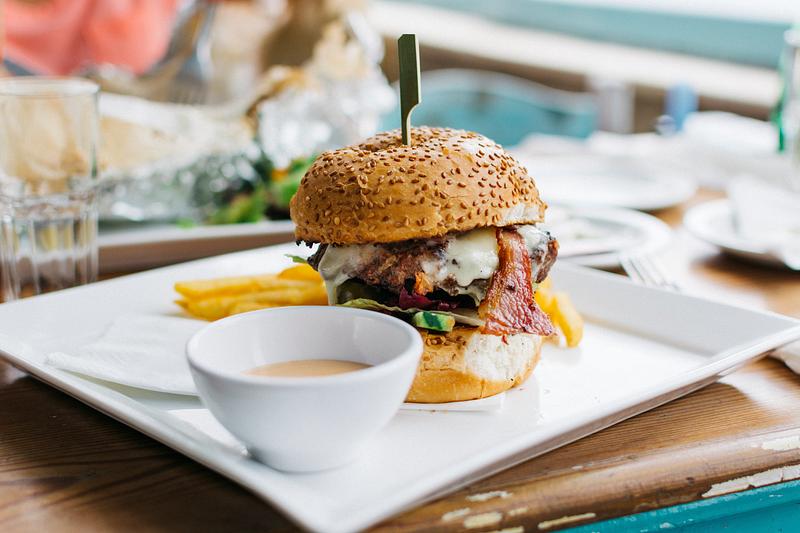
As discussed in previous analyses, these classic items are the operational anchors of the menu, and a premium hotel executes them flawlessly.
-
Ingredient Sourcing: The difference is often in the details: a house-ground, proprietary blend of beef (often Wagyu or prime cuts), house-cured bacon, and a brioche bun baked on-site. The quality of these staple ingredients justifies the premium price.
-
The Consistency Guarantee: A superb hotel ensures the burger’s cooking temperature (medium-rare) and the Club Sandwich’s structural integrity remain absolutely consistent, regardless of the time of day.
B. The Local Fusion Item
Many hotels deliberately feature a dish that successfully integrates the local regional cuisine with Western expectations, acting as a bridge for travelers.
-
Chef’s Innovation: This dish often reflects the Executive Chef’s heritage or a specific, acclaimed local ingredient. Examples include: a perfectly balanced Thai Green Curry in Bangkok, an elevated Tagine in Morocco, or a creative ceviche in Lima.
-
Cultural Authenticity: The use of locally sourced herbs, spices, and cooking methods ensures the dish offers an authentic taste of the region, executed with the hotel’s high standards of quality and hygiene.
C. The Perfect Pizza or Flatbread
Often overlooked, the quality of the pizza or flatbread reveals the competence of the kitchen’s baking skills and the freshness of its dairy.
-
Dough Fermentation: Look for signs of proper dough management—a bubbly, slightly charred crust (often achieved in a wood-fired or specialty pizza oven) and a subtle, yeasty flavor that only comes from slow, cold fermentation.
-
House-Made Cheese: The use of fresh, house-made mozzarella or ricotta elevates the dish above typical takeout fare.
3. The 24/7 Secret: Decoding the Room Service Menu
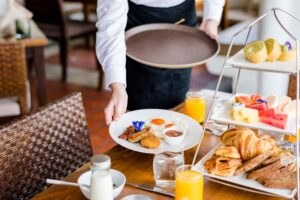
Room service is the most expensive, yet most convenient, dining option. A foodie should utilize it strategically for peak comfort and specific high-quality items.
A. The Overnight Soup or Broth
After a long flight or a night out, a hotel’s rich, restorative broth or soup is the ultimate comfort.
-
The Stock Quality Test: The depth of flavor in the house-made chicken, beef, or vegetable broth reveals the kitchen’s commitment to slow, traditional cooking methods, as a good stock requires hours of simmering and continuous skimming.
-
Nutritional Value: This item is often low in unnecessary fat and high in essential nutrients, making it the perfect restorative meal that won’t compromise a full night’s sleep.
B. The Breakfast Pre-Order Card
Maximize your first bite by prioritizing items that require precision or advance preparation.
-
The Continental Upgrade: Request a specialized pastry that the kitchen only bakes in limited quantities, such as an almond croissant or a specific artisan sourdough loaf.
-
Fresh Juices: Insist on freshly squeezed, à la minute juice, which is often prepared in a dedicated, high-speed juicer and delivered immediately to retain maximum vitamins and flavor integrity.
C. The Late-Night Dessert Indulgence
Room service offers a unique opportunity for private, decadent enjoyment.
-
The Comfort Classic: Order the signature molten chocolate cake, the cheesecake, or the house-made ice cream. These items are designed to be easily held, rapidly reheated (if necessary), and flawlessly presented on a trolley, offering a luxurious conclusion to the day.
4. The Unmissable Morning Ritual: The Breakfast Venue
The breakfast spread is often the single most expensive meal the hotel offers and should be approached as a multi-course culinary experience.
A. The Live Cooking Stations
These stations—omelette, waffle, noodle, or dosa—are the heart of the breakfast buffet, offering freshly prepared dishes superior to anything held under a heat lamp.
-
The Omelette Authority: Challenge the chef with a complex, four-ingredient omelette. The result—fluffy, tender, and properly folded—will tell you everything about the kitchen’s attention to detail.
-
Custom Regional Bowls: In Asia, the noodle soup station is critical. Request a custom bowl with freshly blanched noodles, house-made chili oil, and specific condiments, demonstrating the chef’s expertise in regional flavors.
B. The Smoked Salmon and Charcuterie
The quality of the cured meats and fish reflects the purchasing power and sourcing philosophy of the hotel.
-
The Proper Cut: Look for high-quality smoked salmon that is properly sliced (thinly, against the grain) and presented with accoutrements such as capers, red onion, cream cheese, and dedicated high-quality bagels or pumpernickel bread.
-
Local Cured Meats: Check for locally sourced sausages, hams, or salamis, which offer a unique taste of the region and demonstrate a commitment to local producers.
C. The Pastry Lamination Test
The hotel’s pastry selection must be judged by its laminated dough products.
-
The Cross-Section: Choose a plain croissant and inspect the cross-section. It should exhibit clear, defined, airy pockets (the alveoli). A dense, bready interior indicates poor lamination and proofing. A flaky, shattering exterior is the goal.
-
The House Jam: Often overlooked, the house-made fruit preserves or jams, prepared from seasonal ingredients, are a subtle sign of the pastry team’s dedication to flavor and reduction of artificial sweeteners.
5. Strategic Dining: Maximizing the Foodie Experience
A thoughtful approach to planning your meals will yield the best culinary results and prevent disappointment.
A. Research the Chef’s Identity
Before booking, research the Executive Chef. Their background—be it French technique, Japanese precision, or New Nordic philosophy—will dictate the entire dining program’s strengths and weaknesses.
-
Specific Cuisine Focus: If the chef is known for seafood, prioritize the fish courses at the fine-dining venue. If they specialize in pastry, make sure you visit the afternoon tea service.
B. Consult the Concierge
The Concierge is an invaluable, often underutilized, resource for insider dining knowledge.
-
Unlisted Specials: The Concierge may know about unlisted “off-menu” items that the chef prepares for VIPs or long-stay guests, or they can advise on the best night to dine (avoiding nights when the kitchen is also catering a massive ballroom event).
-
The Best Table: They can secure the most desirable table—often one near the kitchen pass, where you can observe the action, or one with a superior view.
C. The Power of the “Split Order”
For solo travelers or couples, splitting appetizers allows for a broader sampling of the menu’s technical range without over-committing to large portions.
-
Kitchen Accommodation: A high-quality restaurant will split the appetizer onto two separate, perfectly plated plates without being asked, showing a commitment to guest convenience.
-
Maximizing Experience: By trying two appetizers and two mains, you gain insight into four different aspects of the chef’s culinary philosophy.
D. Understanding the Beverage Program
The hotel’s beverage program—including its coffee, tea, and cocktail offerings—is as important as the food.
-
The Sommelier’s List: Consult the sommelier for unique, regional, or esoteric wines not typically found on standard lists. Their recommendations are often based on deep knowledge of the specific pairings with the chef’s food.
-
The Signature Cocktail: Every premier bar has a signature cocktail that tells a story about the hotel or the locale, often utilizing house-made infusions or specialized local spirits.
6. The Unseen: Why Hotel Food is High-Quality
The sheer complexity and stringent controls in a hotel kitchen guarantee a level of freshness and safety often superior to standalone restaurants.
A. The Hygiene and Safety Mandate
Hotel kitchens operate under the most stringent hygiene protocols, driven by brand standards and the high volume of international guests.
-
HACCP Compliance: Extensive HACCP (Hazard Analysis Critical Control Point) systems are in place, constantly monitoring food temperature, storage, and cross-contamination risk, ensuring food safety above all else.
-
Daily Inventory Rotation: Due to the 24/7 nature of service, inventory is used and rotated rapidly, meaning ingredients rarely sit in storage, guaranteeing superior freshness.
B. Investment in Equipment
Hotel kitchens possess equipment that few standalone restaurants can afford, leading to technical perfection.
-
Combi Ovens: These high-tech ovens control both temperature and humidity, allowing for perfect, consistent cooking of large batches of pastries, vegetables, and proteins.
-
Blast Chillers: These devices rapidly drop the temperature of cooked food, ensuring leftovers (used for staff meals or certain cold prep items) pass through the food safety danger zone quickly, preserving texture and reducing bacterial growth.
C. The Labor Talent Pool
Hotels attract a deeper, more diverse labor pool than individual restaurants.
-
Global Expertise: The kitchen staff often includes chefs specializing in various global cuisines (Pastry, Butcher, Garde Manger, Asian Cuisine), allowing the hotel to execute highly authentic international dishes simultaneously.
7. The Final Course: Dessert and Departure
Your last culinary moments should be as memorable as your first.
A. The Pastry Cart or Dessert Trolley
If offered, the dessert trolley represents the Pastry Chef’s final opportunity to impress.
-
Visual Appeal: The trolley items are designed to be visually stunning, using glazes, molds, and intricate garnishes. The best items are the ones that are easily portioned and maintain their structure outside of refrigeration.
B. Breakfast Departure Grab-and-Go
If you have an early checkout, inquire about a specialty grab-and-go breakfast box.
-
Customization: Premier hotels will prepare a custom box featuring artisanal coffee, a fresh pastry, and a piece of high-quality fruit, ensuring your final taste of the hotel is one of convenience and quality.
Conclusion: Your Culinary Mission Awaits

For the foodie traveler, a hotel is a mission field—a landscape rich with culinary opportunities waiting to be discovered. By understanding the operational strengths (like the tasting menu and the live stations) and focusing on the integrity of the ingredients (the bread, the bacon, the seasonal fish), you can unlock a dining experience far superior to the average.
Your ultimate hotel dining guide should prioritize precision, authenticity, and sourcing. Begin with the chef’s tasting menu, challenge the omelette chef, and trust the sommelier. With this strategic approach, your hotel stay will not only be comfortable but also a highlight of your gastronomic calendar. Go forth and savor every single bite.