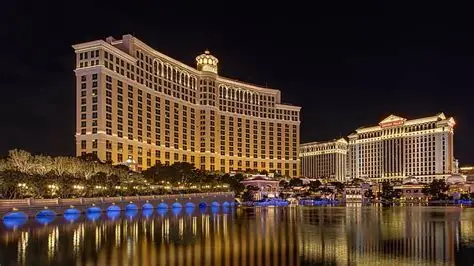
A luxury hotel is a masterfully choreographed stage. Out front, the lobby gleams, the check-in is seamless, and the concierge offers flawless recommendations. This tranquil facade, however, is maintained by a complex, high-pressure world of coordinated chaos, rapid-fire problem-solving, and astonishing logistical feats taking place behind the closed doors of service elevators, staff hallways, and industrial kitchens. The professional distance between the guest experience and the operational reality is vast, and it is in this unseen gap where the most unexpected, stressful, and often heroic moments of hospitality truly happen.
This extensive exploration delves deep into the non-public zones of the hotel—the back-of-house. We will uncover the unforeseen challenges and extraordinary efforts that define the operational reality of world-class hospitality. From managing intricate supply chain failures and preventing technology meltdowns to resolving high-stakes security incidents and delivering truly personalized service under duress, we detail the unseen labor that ensures your stay remains effortlessly perfect. This is the definitive account of the real stories, the surprising discoveries, and the ultimate dedication that defines life behind the hotel’s closed doors.
1. The Logistics of the Unforeseen: Supply Chain Shocks
The smooth operation of a hotel depends entirely on a perfectly timed supply chain. When this chain breaks, even for a few hours, the team must deploy rapid, creative, and expensive solutions to maintain the guest experience.
The Linen Crisis: The Unexpected Shortage
Nothing reveals a hotel’s vulnerability like a linen shortage. This often happens due to a sudden, localized power outage at the industrial laundry facility or an unexpected surge in demand (e.g., three separate sports teams checking in simultaneously).
-
The Rapid Redistribution Plan: The Housekeeping Executive immediately activates the contingency plan: diverting available clean linen stock from less critical areas (like the spa or executive lounge) and placing an urgent, expensive emergency order from a secondary, backup supplier, often involving a fast, dedicated courier service.
-
The Inventory Hunt: Staff are sent on a systematic search of every vacant room and service closet to recover any stray towels, robes, or sheets, performing a rapid physical audit to gauge the true deficit.
The Culinary Gap: Missing Key Ingredients
Imagine the head chef realizing, three hours before a major gala dinner, that a crucial, unique ingredient (such as a specific cut of imported fish or a rare pastry flour) did not arrive due to a freight delay.
-
The Chef’s Network Activation: The Executive Chef mobilizes their personal network, contacting chefs at rival local hotels or high-end restaurants for an emergency, reciprocal loan of the ingredient, often relying on established professional goodwill.
-
The Seamless Substitution: If a loan is impossible, the kitchen team must develop a flawless, undetectable substitution using existing stock. This requires immense creativity and technical skill to ensure the replacement ingredient matches the original dish’s texture and flavor profile without the client ever knowing the difference.
Technology Meltdowns in the Back-of-House
While guests only see the lobby Wi-Fi, the core operational flow relies on complex, interconnected systems. When the Property Management System (PMS) fails, the entire hotel is paralyzed.
-
The Manual Rota: IT and Front Desk staff immediately transition to manual operations. Registration cards are filled out by hand, keys are physically encoded with backup machines, and a handwritten log tracks every check-in, check-out, and folio charge, all while simultaneously troubleshooting the network.
-
The Communication Chain: Department heads rely solely on two-way radios and runners to convey critical information (like “Room 405 is ready”) across floors, replacing the instant, digital communication they rely on.
2. Security and Safety Scenarios: The Invisible Shield

The safety of all guests is paramount, leading to many high-stakes, discreet security operations that guests never witness.
Managing VIP Privacy and Protection
When a high-profile figure, such as a celebrity, diplomat, or head of state, stays at the hotel, security protocols shift into a silent, intense mode.
-
The Evasive Check-In: The VIP often checks in via a private, secure service entrance and is escorted through non-public hallways to a highly secured suite. Regular security patrols are augmented by plainclothes staff and external agency personnel.
-
Information Lockdown: A strict, need-to-know policy is enforced regarding the guest’s identity and room number, often accessible only to two or three senior managers and designated security personnel. Staff caught violating this protocol face immediate disciplinary action.
The Active Security Incident
Whether it’s a false fire alarm, an unauthorized individual accessing a floor, or a health emergency, the response is swift and often covert.
-
The Code-Word System: Staff communicate the type and location of the emergency using specific code words(e.g., “Code 10-10” for a medical emergency) over radio, ensuring general guests are not alarmed by explicit details.
-
The Discreet Containment: For sensitive issues, such as a disruptive non-guest, security uses non-confrontational methods and non-guest elevators to escort the person out of the building without attracting attention in the main lobby.
Health and Biohazard Protocol
Staff are trained to manage unexpected incidents involving biological or chemical hazards with extreme discretion and specialized equipment.
-
Hazard Response Teams: Designated Housekeeping and Engineering staff are trained in using Personal Protective Equipment (PPE) and biohazard disposal kits for sensitive cleanups, ensuring the room is thoroughly sanitized before the next occupancy, often involving temporary room sealing.
3. Housekeeping and Maintenance: The Surprising Discoveries
Housekeeping staff, entering private spaces daily, often become accidental observers and custodians of strange or valuable finds.
Lost and Found of the Extraordinary
The hotel’s Lost and Found department chronicles a history of fascinating, highly valuable, or utterly bizarre items left behind.
-
The Heirloom Recovery: Beyond typical phones and chargers, staff regularly discover priceless family heirlooms, engagement rings, or important legal documents. The protocol involves immediate logging, secure storage in a lockbox, and proactive attempts to contact the guest using data from the PMS.
-
The Exotic Pet Incident: On rare occasions, guests leave behind unexpected pets—from high-end breeds of dogs to exotic, non-traditional animals—requiring the General Manager to make rapid arrangements with local animal control or specialized pet services.
The Accidental Witness
Housekeeping staff are trained to be observant without being intrusive, which sometimes leads to them witnessing sensitive or suspicious activity.
-
Reporting Discrepancies: If a housekeeper notices a significant discrepancy in the room’s contents, unusual damage, or highly unusual behavior (e.g., suspicious quantities of unexplained equipment), they are trained to exit the room immediately, alert their supervisor using a discreet signal, and file a formal, confidential report.
Repairing the Unrepairable
Engineering teams are constantly fixing specialized, luxury equipment that has failed unexpectedly, often requiring rapid, improvised solutions.
-
The Italian Shower Incident: When a custom-built, imported Italian shower mixer fails at 3 AM, the technician cannot wait for parts. The immediate fix involves bypassing the faulty thermostatic valve and installing a temporary, custom-fitted manual valve from the emergency stock to restore water service instantly.
-
Restoring the Art: Damage to expensive commissioned artwork or delicate antique furniture, often caused accidentally by the guest, requires specialized, discreet in-house maintenance to perform emergency cosmetic repairs before a formal restoration expert can be called in.
4. Food and Beverage Drama: Kitchen Under Pressure
The pursuit of culinary perfection in high-volume production creates immense pressure and occasional drama in the back-of-house.
The Service Meltdown
Room service, in particular, is a continuous logistical challenge, especially during peak demand periods (e.g., a major event broadcast on TV).
-
The Simultaneous Order Crisis: When dozens of identical orders for a specific event (like a football championship) hit the kitchen all at once, the expeditor must manage the flow of food using priority routing and staging areas to ensure uniform quality and timely delivery, preventing a total backlog.
-
The Plate Return Problem: The high volume of used room service trays in the service hallways can quickly clog the back-of-house. Staff are trained to clear these trays aggressively and efficiently, often running constant cycles to the dish pit to prevent fire hazards and clear movement paths.
Dietary Disaster Aversion
Managing complex, severe dietary restrictions (allergies, religious requirements) is a matter of life and death, requiring absolute procedural adherence.
-
Cross-Contamination Lockdown: For severe allergies (e.g., nut, gluten), the order is prepared in a designated, sanitized allergy-free zone using dedicated cutting boards, utensils, and cookware. The final plate is often covered and tagged with a brightly colored flag, verified by a supervising chef, and hand-delivered by a manager who confirms the order with the guest.
-
Substitution Scramble: An unexpected severe allergy request at the table requires the server to immediately alert the kitchen, where a chef must instantly pivot and create a safe, appealing alternative from scratch, often disrupting the flow of the entire line.
The Ingredient Validation Test
Chefs routinely conduct surprise “tests” on incoming ingredients to ensure quality and safety.
-
The Freshness Check: Every box of fresh fish, meat, and produce is subject to a rigorous inspection (sight, smell, texture, temperature) immediately upon arrival. A single questionable item leads to the rejection of the entire batch, forcing the kitchen to quickly contact a backup supplier.
5. Front Office Tensions: Emotional Labor and High Stakes
The Front Office team absorbs the brunt of guest emotions, from extreme anger to moments of profound vulnerability, all while maintaining their professional composure.
Managing the Irate Guest
When a guest arrives after a flight delay or receives disappointing news, the Front Desk agent is the first point of contact for their intense frustration.
-
The Deflection and Isolation: The agent’s first job is to defuse the anger by genuinely validating the guest’s frustration (“I understand how frustrating this must be”) and then discreetly move them away from the main check-in area to a private manager’s office or quiet lounge.
-
The Empowered Solution: Managers are empowered to offer immediate, meaningful compensation (e.g., full credit for the first night, a complimentary upgrade) without needing layers of authorization, resolving the issue quickly before it escalates into a public scene or negative online review.
The Unexpected Life Event
The Front Desk often handles requests related to deeply personal, sensitive life events—a sudden illness, a death in the family, or a surprise proposal.
-
Compassionate Flexibility: Agents are trained to handle emergency check-outs due to family tragedy with compassionate flexibility, immediately waiving cancellation fees and offering to help arrange emergency transport or flight changes.
-
Coordinated Celebration: For surprise celebrations, the team coordinates complex multi-departmental efforts: arranging for a photographer to hide in the hallway, timing the champagne delivery precisely with the proposal, and ensuring all staff involved maintain absolute secrecy.
The Crisis of Overselling (The ‘Walk’ Decision)
The moment a Front Desk manager realizes the hotel is oversold and a guest must be relocated (a “walk”) is intensely stressful.
-
The Personal Apology: The manager must personally deliver the bad news to the unsuspecting guest, offering a sincere, non-defensive apology, paying for the rival hotel room, covering all taxi fare, and providing a significant compensation voucher for a future stay—all while remaining calm and empathetic. This is one of the hardest parts of the job.
6. The Engineering and IT Team: The Silent Heroes
The engineers and IT staff are the guardians of the hotel’s physical and digital integrity, fixing disasters before they become visible to the guest.
The Midnight Water Leak
A burst pipe or major leak in the walls requires immediate, surgical intervention in the middle of the night.
-
Damage Control Protocol: The engineer on duty must instantly identify the source of the leak, shut off water to the affected zone, and dispatch staff to manually mitigate water damage in the rooms below using wet vacs and dehumidifiers, all while maintaining maximum quiet to avoid waking guests.
-
The In-Wall Operation: Repairs often involve opening walls or ceilings in service corridors or unoccupied rooms to access faulty piping, working quickly to ensure the area is sealed, sanitized, and covered before morning.
Elevating the Digital Experience
IT teams must maintain perfect performance across the hundreds of connected devices the modern guest brings.
-
Bandwidth Policing: During peak usage times, the IT team subtly monitors and manages bandwidth usage, prioritizing guests in conference spaces or those reporting issues, ensuring the main network is never fully saturated by a single user.
-
The Device Safari: Troubleshooting connectivity issues often involves a physical trip to the guest’s room, navigating the multitude of personal devices (laptops, phones, smartwatches) and ensuring the hotel’s system is compatible with highly unique personal network settings.
7. Post-Event Analysis: The Learning Curve
Even moments of high stress are treated as learning opportunities, fueling continuous operational improvement.
The Crisis Debrief
After any major incident—a system failure, a security breach, or a service meltdown—a formal debriefing is mandatory.
-
Root Cause Analysis: Managers analyze the incident to determine the exact root cause (e.g., was the linen shortage due to late ordering or a supplier issue?).
-
Protocol Enhancement: Based on the findings, Standard Operating Procedures (SOPs) are immediately updated, training manuals are revised, and preventative maintenance schedules are adjusted to ensure the same crisis never occurs again.
Recognition of Resilience
The psychological toll of managing constant, unexpected crises is high, and staff recognition is vital.
-
The “Going Above” Award: Exceptional displays of problem-solving, composure, and personalized service during unforeseen chaos are formally recognized with internal awards, bonuses, or public praise, reinforcing the culture of resilience and excellence.
Conclusion: The Epitome of Unseen Service

The truth of life behind the hotel’s closed doors is a dynamic interplay of high technology and human intuition. The serenity you experience as a guest is a carefully constructed reality, upheld by professionals who navigate a constant stream of unforeseen logistical, security, and emotional challenges. From the Executive Chef improvising a menu to the engineer silencing a midnight pipe burst, every unexpected moment is managed with precision, speed, and discretion.
The unseen stories of the hotel are those of heroic service—moments where the team did not just solve a problem, but prevented a potential disaster from ever reaching the guest’s awareness. This silent dedication to maintaining the perfect facade is the true, defining measure of world-class hospitality. The closed doors hide chaos, but reveal true commitment.